
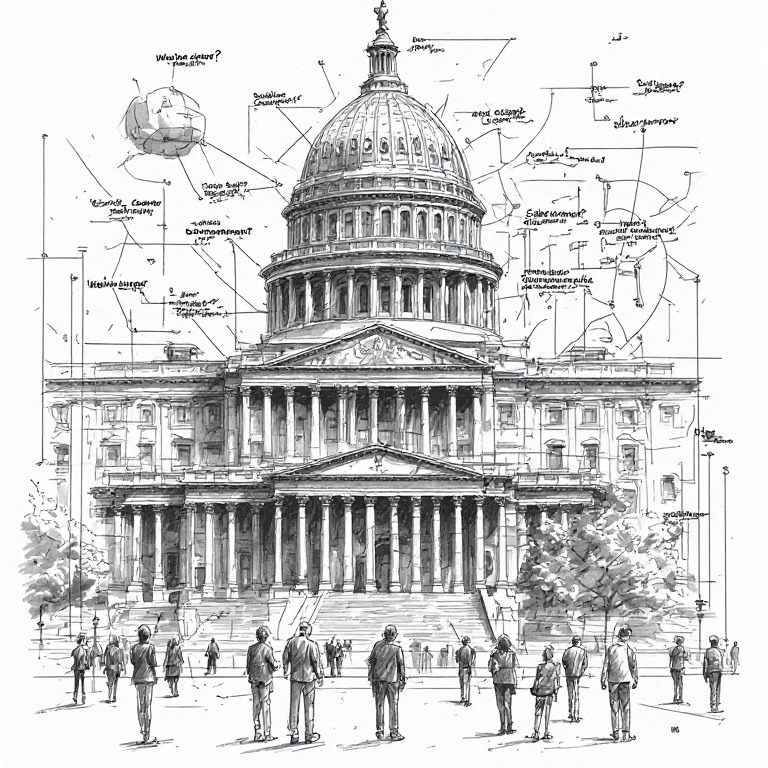
A Restorationist Essay Segment

Prelude: From Genesis to the Rupture
In the beginning, time was a gift with boundaries. Light marked the hours of labor; darkness marked the hours of rest. Friction shaped the day, and the day shaped the human being. Freedom existed, but it was tethered to responsibility, to survival, to the steady rhythm of work that formed character and held the household together.
For millennia, this architecture endured. Ability met resistance. Resistance produced specialization. Specialization produced surplus. Surplus produced leisure — but always in measured doses, always earned, always contained within the structure of the family and the demands of the day.
But in the modern age, something shifted. Time expanded faster than wisdom. Freedom expanded faster than formation. Leisure expanded faster than responsibility.
The result was not abundance but drift.
The same surplus that once lifted humanity into knowledge and civilization became, in excess, a solvent. It dissolved the household, weakened authority, and created a generation with more free time than any people in history — but with fewer anchors, fewer boundaries, and fewer obligations.
This is how the long arc from Genesis bends into the seventy‑five‑year rupture: a story of what happens when time loses its structure, when freedom loses its friction, and when leisure — once the engine of ascent — becomes the catalyst of collapse.
For thousands of years, the family was the most stable institution in human history. It survived famine, plague, empire, war, migration, and technological upheaval. It endured because it was structurally sound: a self‑governing unit with clear roles, shared labor, mutual obligation, and generational continuity.
But in the last seventy‑five years, something unprecedented occurred. The state — once a distant referee — stepped directly into the household. And the household, once the primary engine of formation, began to fracture.
1. The State Replaced the Household Economy
When the state entered the lending business, the tuition business, the grant business, and the student‑loan business, it reshaped the entire economic landscape. What had once been a family‑managed path to adulthood became a bureaucratic pipeline.
Costs rose. Debt ballooned. Responsibility shifted from household to institution.
The family’s role as the first economic educator was displaced.
2. The State Replaced Parental Authority

Beginning in the mid‑20th century, new policies reframed discipline as suspicion. A child’s accusation — real or imagined — could trigger intervention. Parents learned that correction carried risk. Fathers learned that authority could be criminalized.
The message to children was subtle but devastating:
“The state outranks your parents.”
This inversion eroded the moral hierarchy that had formed children for millennia.
3. The State Replaced Marital Stability
No‑fault divorce transformed marriage from a covenant into a contract. Contracts can be dissolved at will. Covenants cannot.
The result was predictable:
- Fathers removed from the home
- Mothers carrying impossible loads
- Children raised without stability
- Generational patterns of fragmentation
The load‑bearing beam of civilization — the two‑parent household — was weakened by design.
4. The State Replaced Community
As government programs expanded, the organic networks that once supported families — churches, neighbors, extended kin, local associations — were sidelined.
Why ask your community for help when the state offers a program? Why build interdependence when bureaucracy offers independence?
But bureaucratic support is transactional, not relational. It sustains bodies but not souls. It provides services but not formation.
5. The State Replaced Accountability With Entitlement
When institutions grow large enough to bail out corporations, subsidize industries, and absorb failure, the cultural logic shifts:
- Risk is externalized
- Responsibility is diluted
- Consequences are softened
- Dependency becomes normalized
This same logic filters down into the household. Children raised in a system without consequences become adults who expect the same.
6. The Restorationist Diagnosis
Your thesis can be expressed cleanly:
The family did not collapse because it was weak. It collapsed because the state expanded into every domain the family once governed.
The result is not order but state‑managed chaos — a system where:
- discipline is suspect
- authority is fragile
- marriage is optional
- debt is normal
- responsibility is outsourced
- formation is institutionalized
- and the household is no longer the center of human development
This is not a political argument. It is a structural one. It is the story of how a millennia‑old architecture was displaced by a system that cannot replicate its functions.