

How Tonal Noise from Data Centers Activates the HPA Axis and Erodes Higher Brain Function
Tonal noise is one of the strangest intrusions modern infrastructure has introduced into the human environment. Unlike the shifting, irregular sounds of nature or the everyday bustle of a neighborhood, the hum produced by data centers is a perfectly steady, low‑frequency tone—often between one and two hundred hertz—that drones without pause. It comes from the synchronized rotation of industrial cooling fans, the vibration of transformers, and the constant mechanical rhythm of air‑handling systems. Because these tones are so stable and so persistent, the brain does not treat them as ordinary background noise. Instead, it interprets them as a continuous environmental irregularity, something that does not belong in the natural acoustic landscape.
“Low‑frequency vibration bypasses much of the conscious auditory pathway and travels directly into the limbic system, where the amygdala and hypothalamus sit on constant alert.”
The human auditory system is wired to notice patterns, especially those that remain unchanged. A sound that never varies, never fades, and never resolves into silence becomes a kind of neurological splinter. Even when a person believes they have “gotten used to it,” the deeper layers of the brain have not. Low‑frequency vibration bypasses much of the conscious auditory pathway and travels directly into the limbic system, where the amygdala and hypothalamus sit on constant alert. These structures evolved to detect threats long before the cerebral cortex existed, and they respond to persistent vibration the same way they would respond to a distant predator pacing just out of sight.
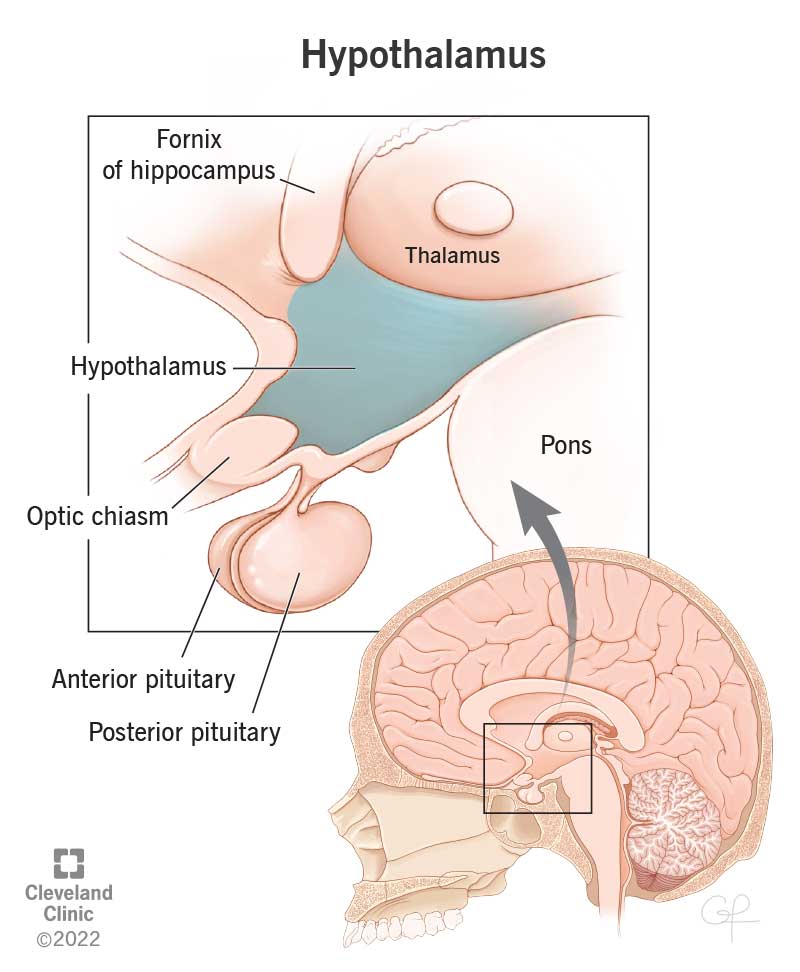
Once the hypothalamus interprets the signal as a potential threat, it activates the HPA axis. Corticotropin‑releasing hormone triggers the pituitary to release ACTH, which in turn signals the adrenal glands to flood the bloodstream with cortisol. This cascade is the body’s survival mechanism, designed for short bursts of danger. But tonal noise does not come in bursts. It is continuous, and so the stress response becomes continuous as well. The body never receives the signal that the threat has passed, and the cortisol system never fully powers down.
Over time, this constant activation begins to reshape the rhythms of the body. Cortisol normally follows a strict circadian pattern, rising sharply in the morning and falling at night. Low‑frequency noise flattens this curve. People living near data centers often wake feeling unrefreshed, even if they never consciously woke during the night. Their bodies have been held in a state of vigilance, their adrenal glands trickling cortisol into the bloodstream when they should have been silent. The result is a kind of physiological jet lag that never resolves.
The effects extend far beyond fatigue. Cortisol is a powerful hormone, and when it remains elevated for long periods, it begins to erode the systems it was meant to protect. Blood vessels stiffen, blood pressure rises, and the risk of cardiovascular disease increases. The immune system becomes sluggish, leaving the body more vulnerable to infection. Metabolism shifts toward insulin resistance, making weight gain and metabolic disorders more likely. Even the musculoskeletal system reacts, with subtle vibrations causing micro‑tension in the neck and shoulders that amplifies pain perception.
“Tonal noise is subtle. It does not shatter windows or rattle dishes. It does not announce itself with drama. Its danger lies precisely in its quiet persistence, in its ability to slip beneath conscious awareness and lodge itself in the machinery of the stress response.”
But perhaps the most striking consequence is what happens inside the brain itself. The prefrontal cortex—the region responsible for reasoning, planning, memory, and emotional regulation—is exquisitely sensitive to cortisol. Under chronic stress, its neurons begin to retract their dendritic branches, reducing the brain’s ability to form new connections. Cognitive functions that rely on these networks begin to falter. People exposed to constant tonal noise often describe difficulty concentrating, trouble processing information, and a sense that their mental clarity has dulled. These are not subjective impressions. They are the measurable effects of cortisol on the architecture of the cortex.
Meanwhile, the amygdala, the brain’s alarm center, becomes more reactive. Emotional responses intensify. Irritability rises. Anxiety becomes more common. The balance between the rational cortex and the instinctive limbic system shifts, leaving individuals more prone to emotional overwhelm and less capable of sustained, focused thought. In a very real sense, the noise reshapes the hierarchy of the brain, pulling people away from higher‑order cognition and toward a more primitive, reactive mode of being.
From a Restorationist perspective, this represents a profound misalignment between technological infrastructure and human physiology. The issue is not the existence of data centers, but the unexamined assumption that their acoustic byproducts are harmless. A society that allows continuous low‑frequency noise to seep into homes and bedrooms is, without realizing it, imposing a neurological tax on its citizens. It is asking the brain to operate under conditions it was never designed to endure. The cost is paid in sleep, in cognition, in emotional stability, and in long‑term health.
Tonal noise is subtle. It does not shatter windows or rattle dishes. It does not announce itself with drama. Its danger lies precisely in its quiet persistence, in its ability to slip beneath conscious awareness and lodge itself in the machinery of the stress response. It is the sound that keeps the hypothalamus awake, the sound that never lets the adrenal glands rest, the sound that slowly shifts a community from clarity to fatigue. And because it is external, mechanical, and imposed, it demands a response grounded not in acoustics alone, but in an understanding of the human nervous system.