
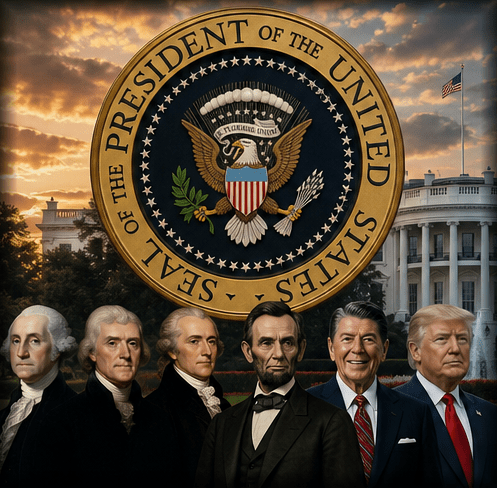
I joined the military in April 1975 and was struck by its clear structure and consistent enforcement of rules. The military justice system played a vital role in maintaining order. Over time, I’ve noticed parallels in the Republican Party’s approach to governance. Yet, some members seem reluctant to challenge Democratic politicians directly. Instead, they’ll vote alongside them on massive omnibus bills—often passed hastily before legislative breaks like Christmas, without sufficient time for review. This recurring pattern raises questions about the motivations and principles guiding such decisions, especially as holidays and recesses approach.
Some politicians— Thomas Massie, Rand Paul, Lisa Murkowski, and Susan Collins—often break with their party on legislation, guided by personal principle. In contrast, Democratic lawmakers tend to vote as a unified bloc. While I admire conviction in leadership, I sometimes question how these principled stands translate into tangible benefits for constituents or the nation as a whole. Too often, presidential elections prioritize popularity over qualifications, and when officials are chosen for reasons other than competence, the quality of governance suffers.
This has led me to reconsider my earlier wish that Republicans would “fight like Democrats.” That desire, while understandable, overlooks what I value most about the Republican Party: its commitment to foundational principles like constitutional fidelity, the rule of law, and service to the American people. These ideals have defined the party since its founding in 1854. Today, the GOP—the party of Lincoln—is led by its most popular figure to date, a reflection of both its enduring legacy and evolving identity.
Donald J. Trump acts in accordance with his role as President of the United States, fulfilling responsibilities for the citizens of America and on the international stage. He has emphasized transparency at home and abroad. Supporters cite collaboration among Republican leaders within the framework of the United States Constitution and legal victories, including frequent successes in court cases. Some critics argue that the Supreme Court’s decisions are problematic, with ongoing debate present in media coverage.
Constitutional law decisions should be grounded in original intent, as reflected in recent judicial rulings. Critics of the current Democratic House leadership have raised concerns about misrepresentation and alleged threats to democratic norms. Yet, it’s important to remember that the founders established a constitutional republic—not a pure democracy. While many Democrats argue that the Constitution is a living document, some go further, suggesting it should be rewritten or replaced to suit contemporary needs. I disagree. A new constitution is not necessary. What’s needed is for the existing one to be read, understood, and—above all—followed.
In this context, effective presidential leadership becomes essential. The Constitution grants the executive branch clear authority under Article II, and outlines the framework for legislative interaction through Article I. These powers have always existed—not to be ignored or reimagined, but to be exercised in service of the public good. Presidents who understand and apply these principles strengthen the republic, not by reinventing it, but by honoring its design
In earlier reflections, I noted that President Obama often sidestepped constitutional norms, contributing to the erosion of federal authority. In contrast, President Trump has exercised his constitutional powers to enforce federal law. While some critics have described his approach as authoritarian, it’s essential to recognize that the President’s core responsibility is to execute the laws passed by Congress faithfully. This duty is not optional—it is foundational to the role outlined in Article II of the Constitution.
At times, fulfilling this responsibility requires challenging laws that appear inconsistent with constitutional principles. A recent example involves the legal debate over birthright citizenship. A federal appellate court ruled that citizenship is not automatically granted simply by being born on U.S. soil. Hence, it has become a judicial win for the Trump administration, challenging long-held interpretations of the 14th Amendment. When laws are vague or outdated, they become subject to judicial review and clarification. Such actions—whether defending or contesting legal precedent—fall squarely within the President’s constitutional authority and reflect the ongoing balance between executive leadership and constitutional fidelity.
After 67 years, we’ve elected a President who breaks from the status quo and sets a new benchmark for principled leadership. I’m proud to stand behind him—he exemplifies the kind of integrity and vision that defines true greatness in this century. Under his leadership, Republicans continue to lead with a commitment to ethics, accountability, and fidelity to the Constitution.
Too many Americans today lack a clear understanding of how our government was designed to function. Influenced by partisan narratives and mainstream media, they often miss the deeper truths about our founding. That’s why I turn to three foundational texts: The King James Bible, The Heritage Guide to the U.S. Constitution, and The Federalist. These works illuminate the spiritual, philosophical, and structural foundations of our Republic. They explain not only the inspiration behind our Constitution, but also why our government was deliberately founded as a Republic—not a pure Democracy.
These sources remind us that legitimacy comes from enduring principles, not shifting trends. They offer clarity in a time of confusion and reaffirm the wisdom of our founding.
Some call it authoritarianism—but if that means faithfully upholding the Constitution, then the term is being misused. True authoritarianism concentrates power, silences dissent, and disregards the rule of law. What I stand for is the opposite: a government bound by constitutional limits, where laws—not individuals—hold authority.
As U.S. citizens, we are born into a civic compact. Our rights come with responsibilities, and our freedom depends on the order protected by constitutional law. Living within those laws doesn’t diminish liberty—it secures it. The Constitution isn’t a relic; it’s a living framework that ensures our government remains of the people, by the people, and for the people.
There is no greater principle than that. It’s not authoritarian to demand accountability, transparency, and fidelity to the founding documents—it’s patriotic.