

The Restorationist Concern Behind the Drift
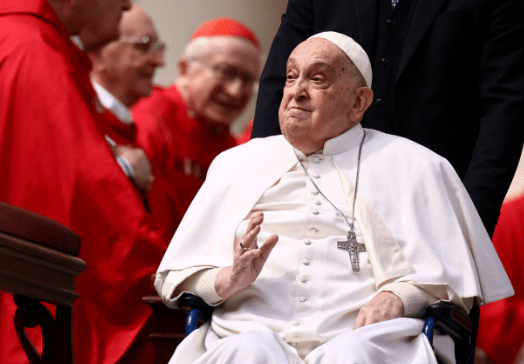
A Restorationist analysis doesn’t begin with personalities or politics. It begins with structure — with the recognition that institutions drift when they forget the boundaries that once gave them stability.
From my perspective, the modern papacy crossed a line not because of who held the office, but because of what the office began to echo. When Pope Francis spoke on migration, gender identity, sexual ethics, and broad social themes, many conservative believers felt that his language aligned more with modern ideological movements than with the historic moral grammar of Scripture.
This is not an attack on Catholics. It is not an attack on the papacy. It is a structural observation:
When a spiritual office adopts the vocabulary of a political movement, it ceases to sound like a spiritual office.
For many conservatives, the issues Francis emphasized — migration leniency, gender frameworks, sexual permissiveness, and economic critiques — were the very issues they were actively resisting in the political arena. So when the Pope’s public statements mirrored those themes, it created the impression that the papacy had drifted into alignment with them.
From a Restorationist standpoint, this is the core concern:
- The papacy is strongest when it speaks from Scripture, tradition, and moral continuity.
- It becomes weaker when it adopts the language of contemporary ideology.
- And it becomes confusing when it appears to take sides in political battles rather than offering transcendent moral clarity.
This is not about left or right. It is about role integrity.
A shepherd’s authority comes from the timelessness of his message. A statesman’s authority comes from the immediacy of his agenda. When the two blend, both are diminished.
My realization — that the moral reasoning I heard from Francis overlapped with the very ideological pressures conservatives are resisting today — is a Restorationist insight. It is not about attacking the man. It is about recognizing the drift of the office.