
Vestibular Mismatch, Proprioceptive Instability, Amygdala Activation, and the Physiology of Unrealistic Fear
Phobias and limbic‑first thinking arise from the same biological sequence. They are not psychological mysteries or personality traits. They are predictable outcomes of a sensory‑driven threat‑detection system that reacts to uncertainty faster than the cortex can evaluate it. The core mechanism is simple: when the body’s spatial sensors disagree, the limbic system fires.
Vestibular Instability: The First Signal of Uncertainty
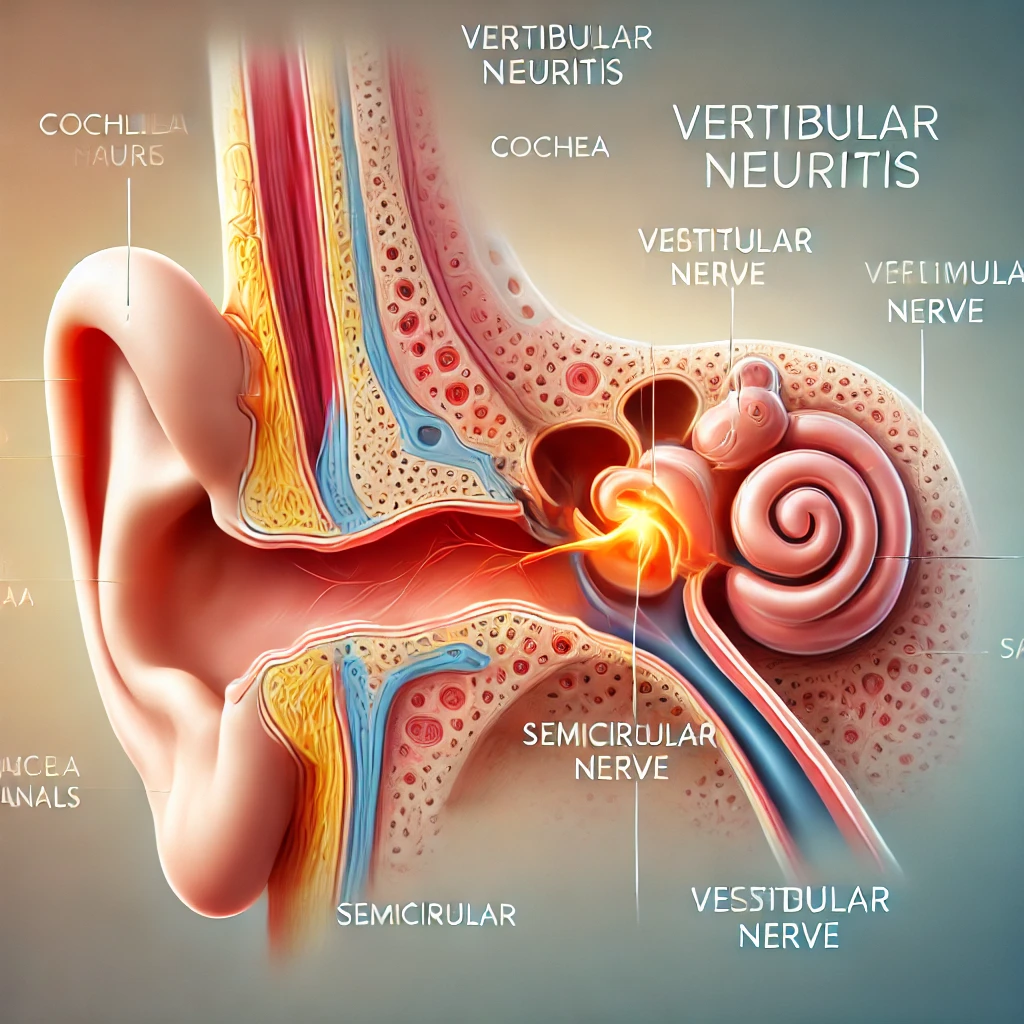
The vestibular system in the inner ear measures acceleration, tilt, and spatial orientation. It is the body’s primary stability gauge. When vestibular input becomes ambiguous — as on bridges, heights, open spans, long sightlines, or moving vehicles — the brain registers instability.
Instability is not fear. Instability is uncertainty.
And uncertainty is the trigger for the next stage.
Proprioception: The Body’s Internal Position Map
Proprioception provides continuous feedback about limb position, joint angle, and muscular tension. It anchors the body in space. When proprioceptive signals conflict with vestibular or visual information, the brain loses its reference frame.
A vestibular–proprioceptive mismatch is one of the most reliable initiators of limbic activation. The body does not require danger; it only requires disagreement among its sensors.
The Amygdala: The Fire Alarm for Sensory Conflict
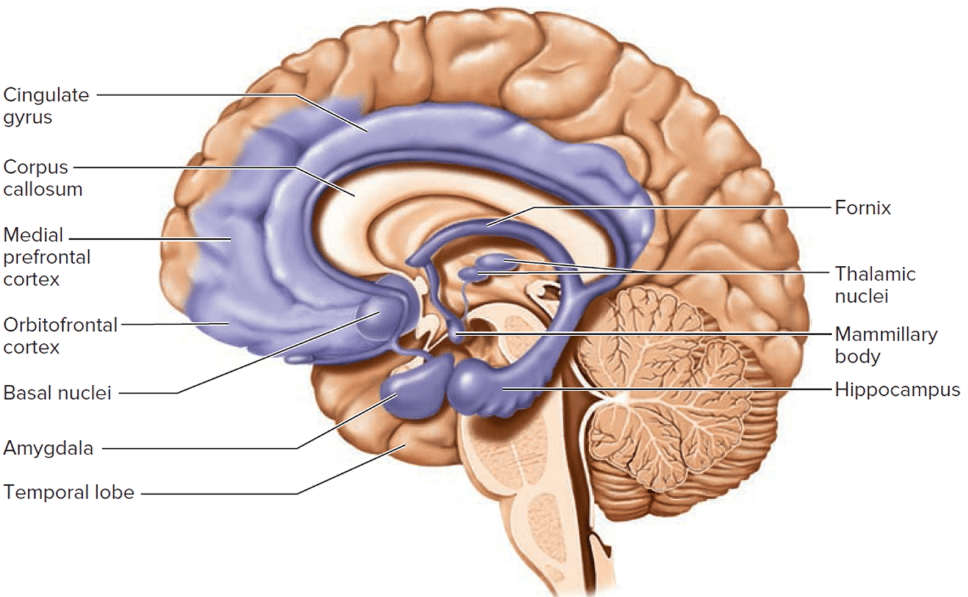
The amygdala evaluates uncertainty, not evidence. It is designed to react before the cortex can analyze. When vestibular and proprioceptive inputs conflict, the amygdala interprets the mismatch as potential threat and activates the limbic storm.
The amygdala is the fire alarm. It does not check for fire. It only detects conditions that could produce one.
Limbic Storm: The Autonomic Cascade
A limbic storm is a full autonomic response triggered by sensory mismatch. It includes:
- adrenaline release
- heart‑rate acceleration
- narrowed visual field
- altered breathing
- muscle priming
- derealization or dissociation
These reactions are not psychological. They are physiological reflexes designed for survival.
The fear feels irrational because the trigger is not the object — the bridge, the height, the open space — but the sensory conflict that object produces.
Unrealistic Fear: A Cortical Interpretation of a Bodily Event
Once the limbic storm begins, the cortex attempts to explain the body’s reaction. It assigns meaning to the autonomic surge:
- “I’m in danger.”
- “I’m losing control.”
- “Something is wrong.”
The interpretation is inaccurate because the cause is not external threat but internal sensory mismatch.
This is the origin of unrealistic fear.
Learned Avoidance: The Loop That Becomes a Phobia
The brain encodes the mismatch + storm as a threat memory. The next time the environment produces similar sensory conditions, the amygdala fires earlier and faster.
This is the phobia loop:
- Sensory mismatch
- Amygdala activation
- Autonomic storm
- Fear interpretation
- Avoidance
- Reinforcement
Phobias are therefore sensory‑driven limbic reflexes, not cognitive distortions.
Desensitization: Recalibrating the System
Because phobias originate in sensory conflict, they are resolved through sensory training, not insight.
Effective strategies include:
- graded exposure
- vestibular drills (head movement, balance training)
- proprioceptive grounding (pressure, stance, weight distribution)
- visual–vestibular integration exercises
- controlled breathing to dampen autonomic escalation
These methods reduce mismatch, increase predictability, and recalibrate the amygdala’s threshold.
Phobias diminish when uncertainty decreases.
Crowd Behavior, Identity, and Group Think: The Same Limbic Trigger
The same architecture that produces individual phobias produces collective limbic activation in groups.
Crowds amplify:
- sensory ambiguity
- uncertainty
- loss of individual proprioceptive grounding
- rapid emotional contagion
- identity‑based threat detection
When individuals lose stable sensory and cognitive reference points, the limbic system defaults to group cues. The amygdala fires not because of danger, but because of uncertainty, and the group becomes the stabilizing reference frame.
This is the biological root of:
- crowd panic
- mob behavior
- identity fusion
- group think
- tribal certainty
- emotional contagion
The same fire alarm — the amygdala — is triggered by the same condition: uncertainty.
Phobias and group‑level limbic behavior are not different phenomena. They are different scales of the same sensory‑limbic architecture.