
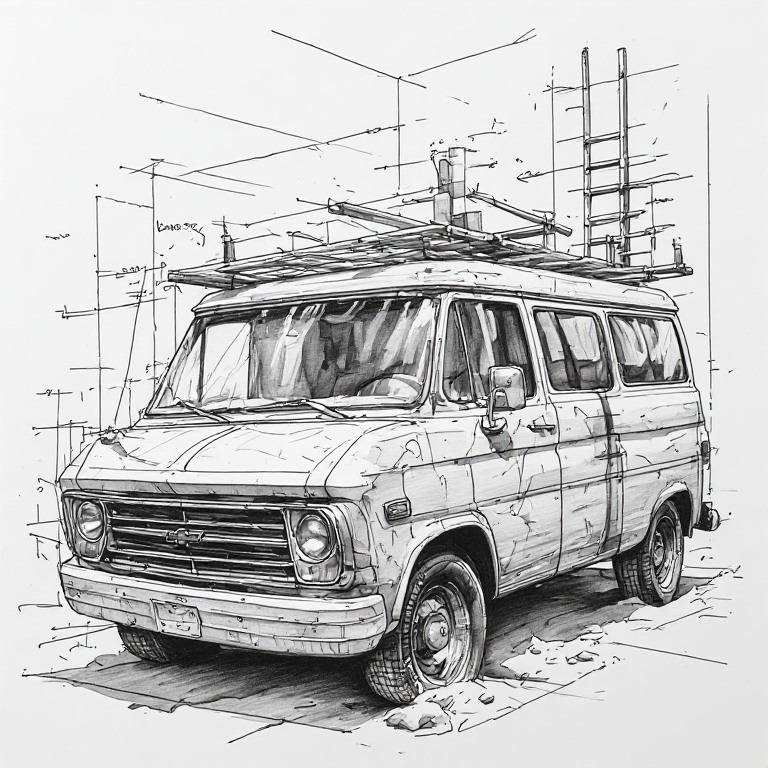
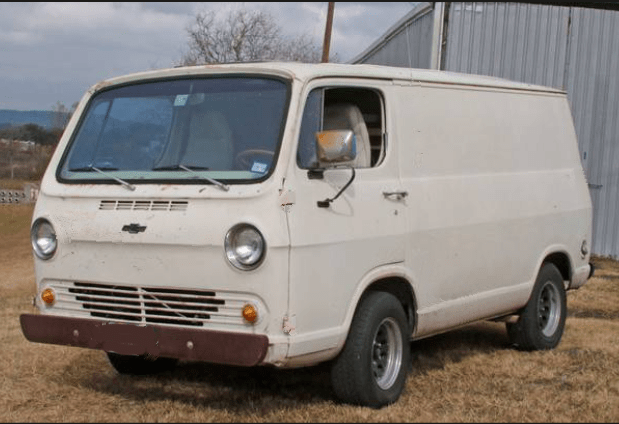
In 1969, I was eleven years old and weighed maybe sixty pounds soaking wet. It was the dead middle of winter—January, as I recall—when Dad woke me up to go to work. No kidding. I dressed like an Eskimo and piled into the truck, a ’66 Chevy van with ladder racks and tools rattling in the back. We drove for miles on a Saturday morning to finish a job he hadn’t been able to complete the day before. It was a long ride, north of Detroit, snow falling and piling up along the road.
We arrived at a farmhouse in the middle of nowhere. The wind was howling, and it was cold as hell, but I was dressed for it. Dad set the ladder, and we climbed up. It was a single‑story ranch, and he already had shingles loaded from the previous day. He parked me on the ridge and made me watch while he worked. He had a couple of rows left and the ridge cap to install. It only took a few hours. In a Michigan winter, daylight dies around five‑thirty, which explained why he hadn’t finished the day before.
Being a city kid, I had never stood on a roof looking out over untouched snow stretching for miles with no other house in sight. The wind felt like it started in Nebraska and gathered speed before slamming into us. Funny as it sounds, I liked the experience, even with the cold. I didn’t know it then, but that weekend was the start of years of work—weekends and summers. At first, I watched. Then I tore open bundles and laid out shingles so Dad could just nail.
By spring, Dad chopped the handle on a Plumb roofing hatchet so I could choke up on it and learn to drive nails. It took time to learn the tricks of the trade. I could have passed a journeyman’s test at fourteen, but I couldn’t hold a union card until eighteen.
I didn’t think much about it then, but our Detroit neighborhood was changing. Dad figured the best way to keep me alive was to keep me working when I wasn’t in school. The money didn’t hurt either. I could buy what I wanted, and Dad kept part of my pay to help the family. By fifteen or sixteen, when he became superintendent for a custom builder, I finally got a full rate.
Those years taught me a lot. We worked every day—rain or shine—because we were paid by the square. If the rain or snow let up even for a couple of hours, we nailed like hell to cover expenses and maybe make a little. Lost‑time weather days could still turn into a paycheck. In spring and summer, Dad worked sunup to sundown. We’d get up before dawn, drive in the dark, set the ladder, and wait until we could see. Sometimes I cleaned the truck by the dome light. We always left before sunset.
One highlight was when Dad left me home to recover our own roof. He trusted me to do it alone. I shingled the whole house in a couple of days, showing off while the neighbors watched. At fifteen, roofing was part of my identity. I was proud of what I could do.
Over the years, I worked a lot of jobs—USAF, USAFR, USA. Dual‑service. Twin‑engine jets and attack helicopters. Roofing, siding, gutters, framing. I could go on. The point is: I always had endurance. I could push even when I was close to giving up. I was wiry and strong—part muscle, part stubbornness. I stuck like glue and insisted on doing it right. I made mistakes, sure, but I learned not to repeat them.
I’ve never had an easy job, except maybe the Air Force crewing T‑38s. That could get physical, but not often. Millwright work was brutal—long hours, unpredictable days. I always knew my start time, never my quitting time. Double shifts were common. Twenty‑plus‑hour days weren’t rare.
All in all, I enjoyed working. I never had a job that bored me. Every one of them challenged me, and I’m better for it. Money isn’t everything, and I have what I need. Everything I own was bought through work. I never had to steal or go hungry. It took time to appreciate that. I’m retired now, with a few health issues, but surprisingly no arthritis, no bad feet, no chronic pain. If I had to do it all again, I’d still work. It didn’t hurt me. It made me.
Looking back, sure, I’d do some things differently. I made mistakes, bad choices, and failed myself more than once. It was me doing me that almost ruined things. But I corrected my failures. Someone once told me: It’s not how you start, but how you finish.
I hope that’s true.