
Butterflies and Thresholds: Choosing the Gradient
November 15, 2025 • TRADEMARC1958
Wing Bend Test
If Bridge Anxiety mapped the unseen gradient of fear, this essay explores its counterpart: the exhilaration of thresholds we choose to cross. The body’s vestibular system—the inner ear’s balance and motion detector—does not distinguish between dread and delight. It simply signals change. What differs is our framing: whether the threshold is imposed or embraced.
🎥 Unchosen Thresholds: TV Visualizations and Bridges
- Cinematic immersion: When a camera tilts downward from the top of a skyscraper, the body reacts as though standing at the edge. The stomach flips, adrenaline surges, extremities tingle.
- Sensory mismatch: Eyes perceive motion and exposure, but the vestibular system registers stillness. The brain cannot reconcile the discrepancy, so panic may rise.
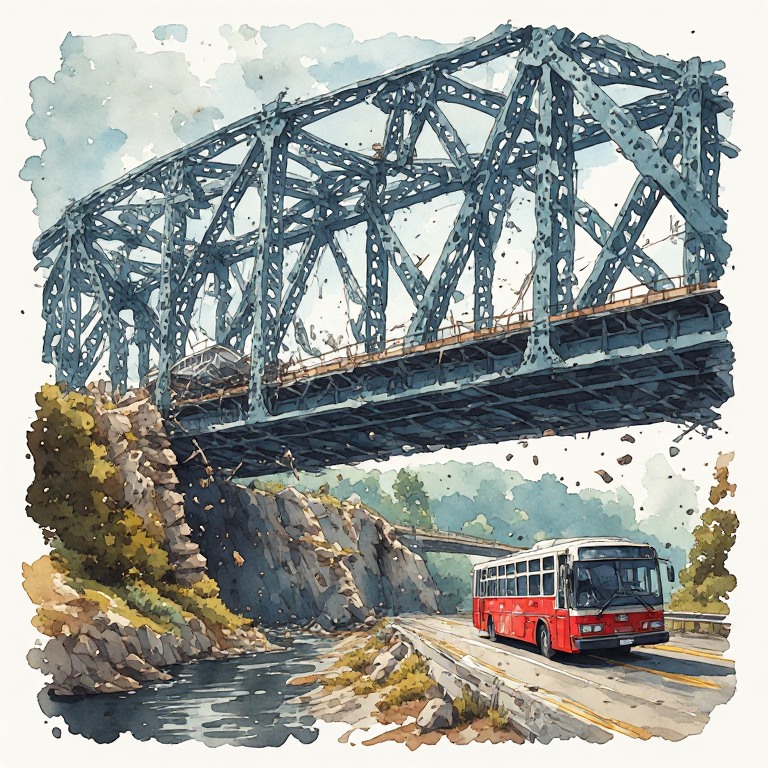
- Bridge crossings: Similarly, bridges impose gradients of elevation, exposure, and pressure shifts. For those with vestibular sensitivity, the body interprets these as danger. The threshold is not chosen—it is encountered, often without escape.
🛗 Chosen Thresholds: Elevators and Aircraft
- Elevators: The sudden lift or drop stimulates the otolith organs, producing butterflies. Yet when framed as technology we trust—counterweights, cables, glass panels—the sensation becomes marvel instead of menace.
- Aircraft: Takeoff, turbulence, and descent trigger the same vestibular flashover. But knowledge of aerodynamics and engineering reframes the surge as adventure. The butterflies become a signal of wonder, not dread.
🎢 Amusement Rides and Freefall
- Roller coasters: Sudden drops and loops mimic freefall, producing the same stomach-turning flashover. But because the ride is chosen, the sensation is exhilarating.
- Parachute drops: Free-fall triggers primal autonomic responses, yet training and trust in equipment transform them into joy.
- Rappelling: At Air Assault School, controlled descent became mastery. The vestibular surge was not a threat but a measure of competence.
How Roller Coaster Cars Stay on Track
🧠 The Brain’s Double Lens
- Autonomic surge: In every case, the nervous system releases adrenaline, preparing for fight-or-flight.
- Interpretation: The difference lies in framing. When the threshold is imposed (bridge, cinematic POV), the surge feels like panic. When chosen (elevator, aircraft, roller coaster, parachute, rappel), it feels like a thrill.
- Agency restored: Knowledge, trust, and choice transform the same physiological signal into either fear or delight.
🧩 Restorationist Mapping
The vestibular system is consistent. It signals thresholds—drops, lifts, accelerations, exposures. What changes is our relationship to those signals.
- Unchosen thresholds: Chaos, panic, avoidance.
- Chosen thresholds: Wonder, exhilaration, mastery.
This continuum reframes butterflies not as irrational but as intelligent signals. The body speaks in gradients; we decide whether to hear them as dread or delight.
✨ Closing
In Bridge Anxiety, the unseen gradient was a map of fear. In Butterflies and Thresholds, the gradient becomes a map of joy. Both essays honor the body’s intelligence. Both restore dignity to their signals. Together, they reveal that thresholds are not fixed—they are interpretive. Fear and thrill are two readings of the same vestibular architecture.