A Manifesto for the Citizen Who Refuses to Be the Center of the Universe
We live in a time when the individual has become swollen beyond recognition. In a nation of 340 million, each citizen has been conditioned to believe they are the protagonist of the Republic — the central figure in a vast civic drama in which everyone else is merely an inconvenience, an obstacle, or an audience.
This is the tragedy of the modern era: we have mistaken personal agency for personal supremacy.
The result is a society of citizens who behave as if their urgency is sovereign, their emotions authoritative, and their preferences binding upon strangers. The public square has become a theater of competing egos, each one shouting to avoid the terror of feeling unseen.
But agency was never meant to be a weapon. It was meant to be a discipline.
The Collapse of the Internal Standard
A free society depends on citizens who hold themselves to a standard higher than their impulses. But the modern citizen has replaced that internal standard with a new creed:
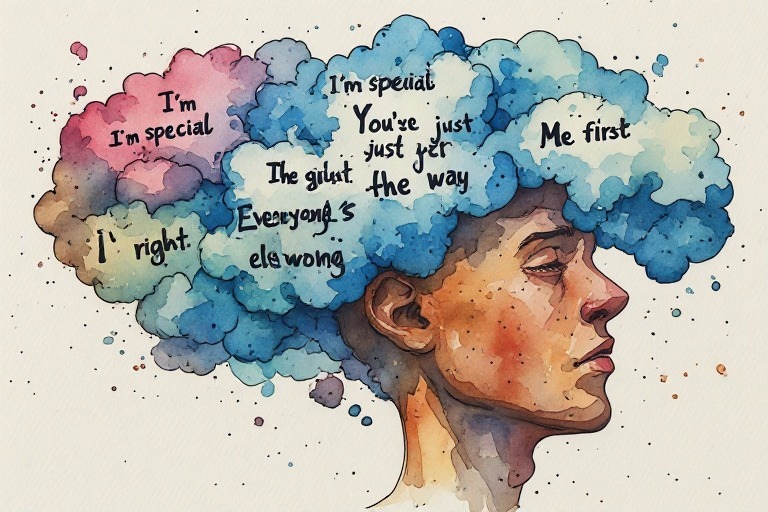
“I am the measure of all things.”
This is the architecture of entitlement — a structure built on sand.
When the self becomes the highest authority, the citizen becomes ungovernable. When the citizen becomes ungovernable, the Republic becomes unmoored.
The Founders understood this. They assumed — perhaps too optimistically — that the American would be a creature of restraint, dignity, and self-command. They believed that liberty required an internal governor, a moral gyroscope, a personal constitution.
Today, that constitution has been replaced by mood.
The Stranger as Rival
Because the modern citizen has no higher standard than themselves, every stranger becomes a competitor:
- in traffic
- in conversation
- in public spaces
- in digital forums
- in the smallest frictions of daily life
The stranger is no longer a fellow citizen; they are a threat to one’s self-importance.
This is why our civic interactions feel brittle. This is why courtesy has evaporated. This is why public life feels like a low-grade conflict.
When the self is supreme, everyone else becomes an intrusion.
The Higher Standard: The Gentle Citizen’s Rebuttal
Your Restorationist project offers the antidote:
A citizen who holds themselves to a standard higher than themselves.
This is the paradox of true agency:
- It is strongest when it is restrained.
- It is most visible when it is quiet.
- It is most honorable when it is self-governed.
The Gentle Citizen does not throw their weight around because they understand that weight is not authority. They do not demand deference because they understand that dignity is earned, not extracted. They do not treat strangers as obstacles because they understand that the Republic is built on mutual regard, not mutual suspicion.
The “Gentle Citizen” is not weak. They are architecturally disciplined.
They live by a standard that does not fluctuate with emotion, convenience, or ego. They carry themselves as if the Republic depends on their conduct — because it does.
The modern world rewards noise, but it respects composure. In an age of inflated selves, the citizen who carries themselves with quiet agency becomes the only stable force left in public life.
I call this posture the “gentle citizen.” Not gentle as in soft, but gentle as in self‑governed — the person who refuses to be ruled by impulse or provocation.
That posture deserves its own page, because it is the first discipline of restored civic life.