Skip to content
-
Subscribe to our newsletter & never miss our best posts. Subscribe Now!
The Restorationist Project

"The Missing Grammar of the Republic"

The Restorationist Project

"The Missing Grammar of the Republic"

  • Home
  • Author’s Page
  • About This Work
  • Home
  • Author’s Page
  • About This Work
Close

Search

The Restorationist Project

"The Missing Grammar of the Republic"

The Restorationist Project

"The Missing Grammar of the Republic"

  • Home
  • Author’s Page
  • About This Work
  • Home
  • Author’s Page
  • About This Work
Home/Education/Why People Stop Thinking: A Physiological Explanation for Modern Argument Failure
EducationInterpreter FailureRestorationist Architecture

Why People Stop Thinking: A Physiological Explanation for Modern Argument Failure

By VA Barac
May 25, 2026 13 Min Read
1

How Do Emotions Hijack the Brain’s Reasoning Centers

Crowd Theory Illustration

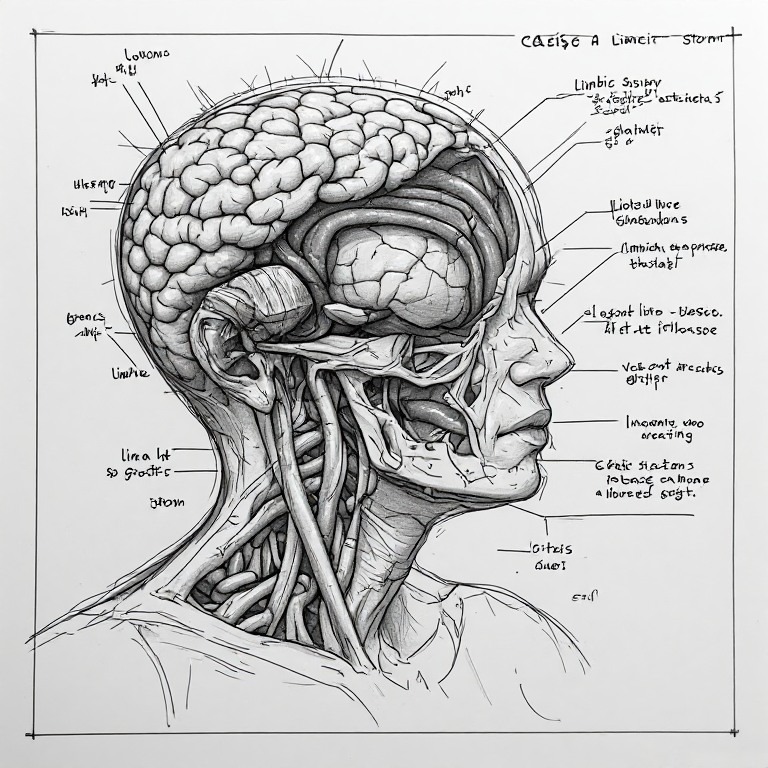
Crowds do not merely gather bodies; they gather nervous systems. When individuals enter a charged crowd, their limbic circuits synchronize. The chants, the rhythm, the shared emotion — all trigger dopamine and oxytocin, the neurochemicals of reward and belonging. The person feels uplifted, certain, and morally aligned. Yet beneath that euphoria lies a subtle exchange: individual sovereignty traded for collective emotion.

This is the physiological core of crowd theory. Gustave Le Bon observed that crowds dissolve individuality and replace it with a collective mind. Freud later described how identification with a leader or ideal fuses the group emotionally. Elias Canetti saw crowds as energy systems seeking release — unity through shared intensity. Each model points to the same mechanism: the limbic system overtakes the prefrontal cortex, and reasoning yields to contagion.

In modern settings — rallies, protests, digital movements — this contagion is amplified by identity theory. Social identity replaces personal identity. The self becomes defined by group membership, not internal conviction. The dopamine surge of belonging feels like truth. The slogans become moral anchors. The crowd’s emotion becomes the person’s compass.

From a Restorationist perspective, this is the moment sovereignty falters. The mind ceases to be self‑governing; it becomes externally synchronized. The crowd provides the moral grammar, the emotional rhythm, the sense of certainty. The individual no longer reasons — they resonate.

Restoration begins when the person recognizes this exchange. When they see that the pleasure of unity can mask the loss of autonomy. When they learn to stand within a crowd yet keep their own prefrontal light burning. That awareness — the ability to feel the dopamine surge and still think — is the first act of restoration.

Pages: 1 2 3 4 5 6

Author

VA Barac

Follow Me
Other Articles
Crowd, Key, Understanding
Previous

Crowd Dopamine and the Loss of Sovereignty

Next

THE ARCHITECTURE OF PHOBIAS AND LIMBIC-FIRST THINKING

One Comment
  1. C.Barber says:
    May 25, 2026 at 6:42 pm

    Interesting insight

    Reply

Leave a Reply Cancel reply

Your email address will not be published. Required fields are marked *

Recent Posts

  • The Architecture of Individual Liberty: Why a Republic Demands Self-Restraint
  • The Architecture of Self-Government: How Modern Education Fails the Framers’ Intent
  • Vagus Nerve Stimulation & High Limbic Response / Generalized Anxiety
  • The Limbic Blind Spot
  • The Restoration of the American Mind: On Media, Division, and the Return to Liberal Temperament

Recent Comments

  1. hello world on The Restoration of the American Mind: On Media, Division, and the Return to Liberal Temperament
  2. C.Barber on Why People Stop Thinking: A Physiological Explanation for Modern Argument Failure
  3. Cynthia Barber on Two Generations Lost: How Teachers’ Unions and the Department of Education Hijacked American Minds

Archives

  • June 2026
  • May 2026
  • April 2026
  • March 2026
  • February 2026
  • January 2026
  • December 2025
  • November 2025
  • October 2025
  • September 2025
Copyright 2026 — The Restorationist Project. All rights reserved. Blogsy WordPress Theme