



All Fields of Work has its Own Grammar

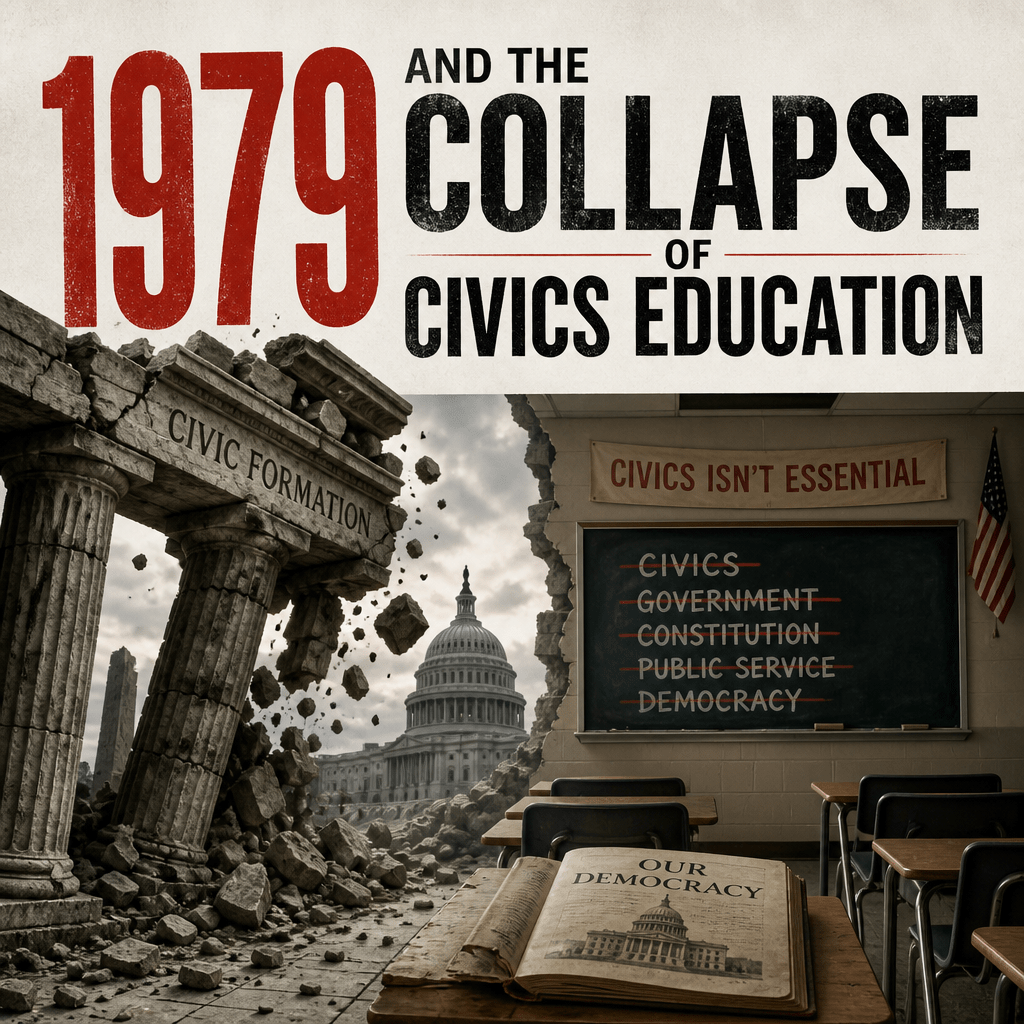
Just as carpenters, millwrights, chemists, and English professors have their own grammar; the republic has its own grammar to allow citizens to communicate using a common frame of reference. It was called civics and is not taught today. This explains why the two sides talk past each other. That common grammar is no longer taught.

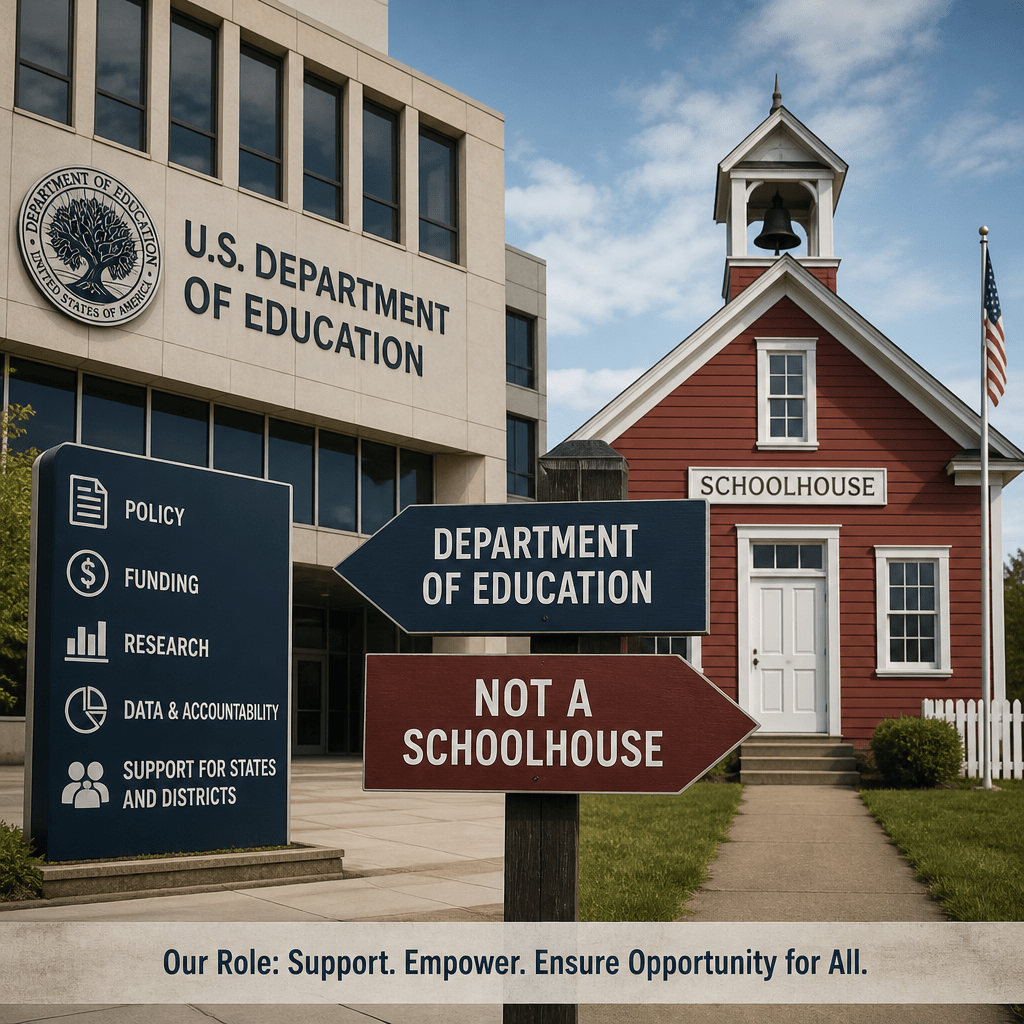
U.S. Department of Education building with signs saying it is not a schoolhouse and outlining its policy and funding roles

Observations on Modern Education

Education is the disciplined formation of the mind — the process by which citizens learn to think clearly, interpret reality honestly, and develop the intellectual habits required for self‑government. It is more than schooling; it is the shaping of judgment, attention, and understanding. This category explores how people learn, how teaching works, and how intellectual character is built, so that a free society can sustain the clarity and competence it requires.

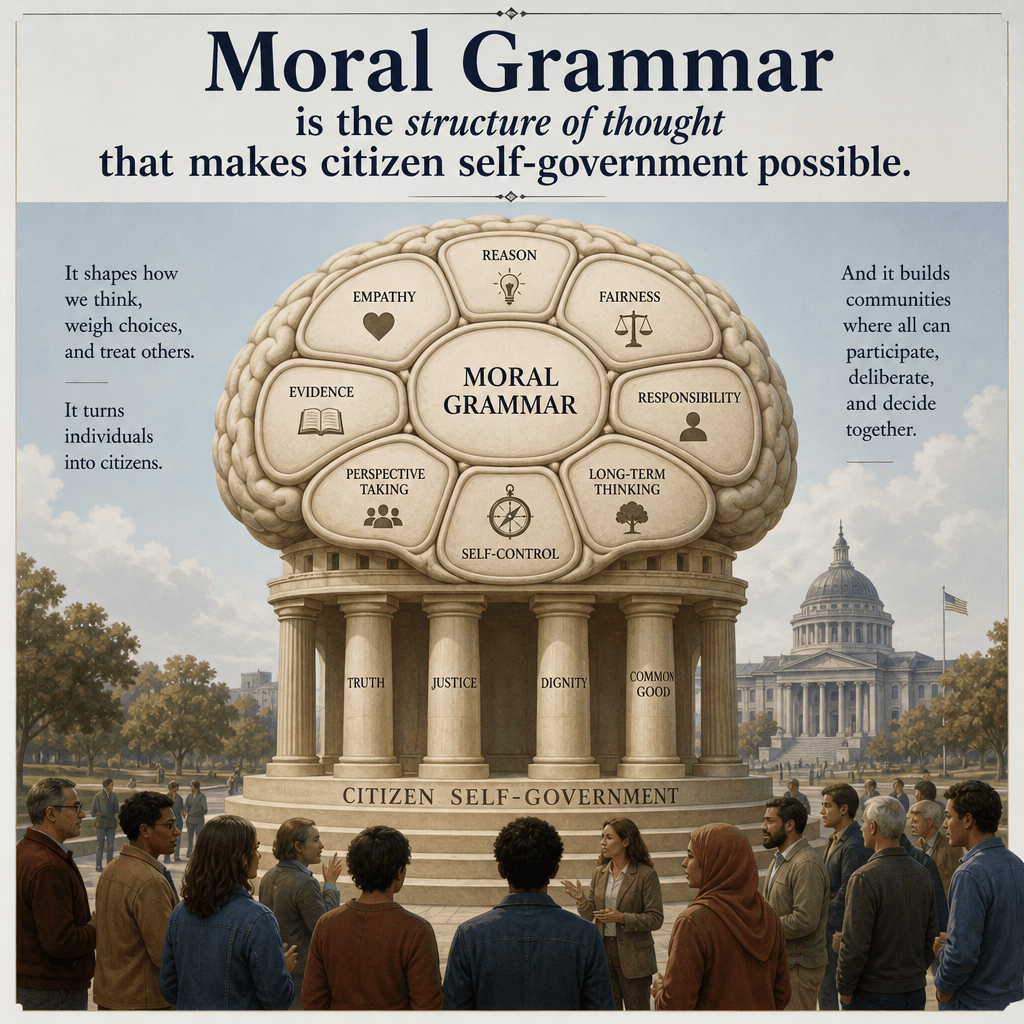
Moral Grammar makes citizen self‑government possible

Moral Grammar makes citizen self‑government possible. The term Moral is not about Theology. No one gets judged on this site. The term is used to convey adult behavior, self-restraint, good judgment, and respect for others—all things you would have learned at home or in school had they been taught. It shapes how people interpret reality, assign responsibility, and communicate with clarity and honesty. This category explores the habits and principles that once anchored American civic adulthood and must be restored for the Republic to remain stable.

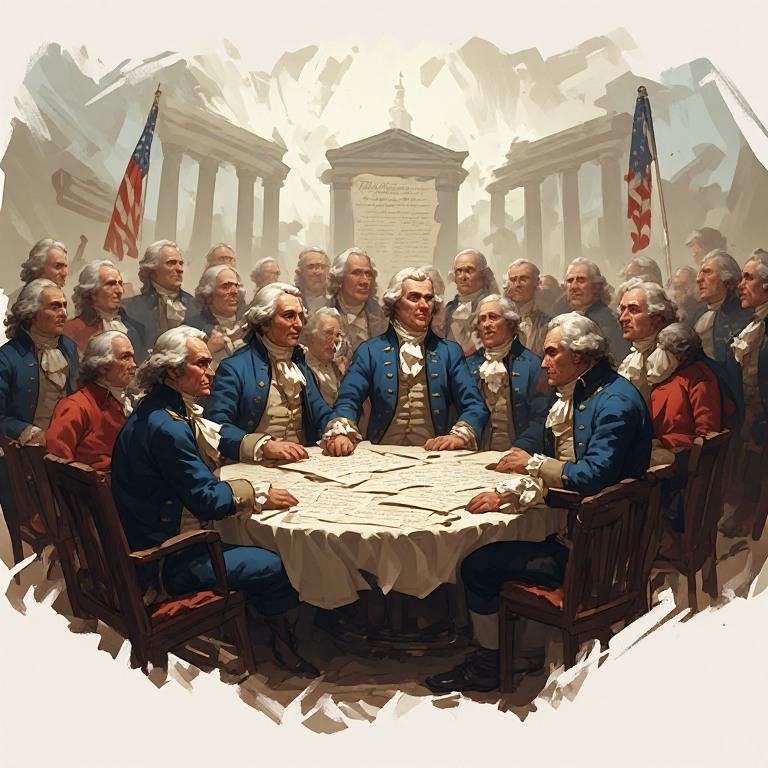
Image showing a gathering of the founders at Constitution Hall

America’s Foundation

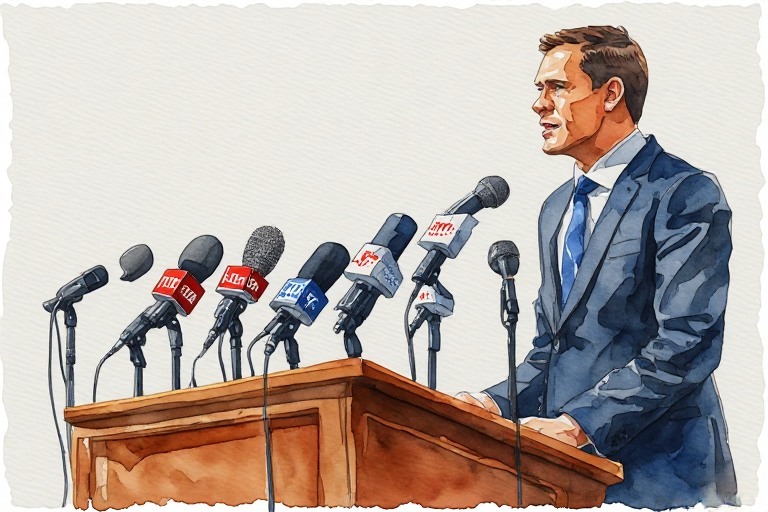
On Media Echo Systems

Judiciary

On Our Court System

Sciences Foundational Grammar

Science, to me, isn’t a lab coat or a distant discipline — it’s the everyday machinery of reality that we’re all swimming in. My science category looks at the forces shaping our bodies, minds, and environments with the same curiosity we bring to history or philosophy: clear, practical, and grounded in how things actually work. It’s science as a toolkit for understanding the world, not a lecture from above. I try to keep my science articles to subjects related to citizens’ foundational grammar.