
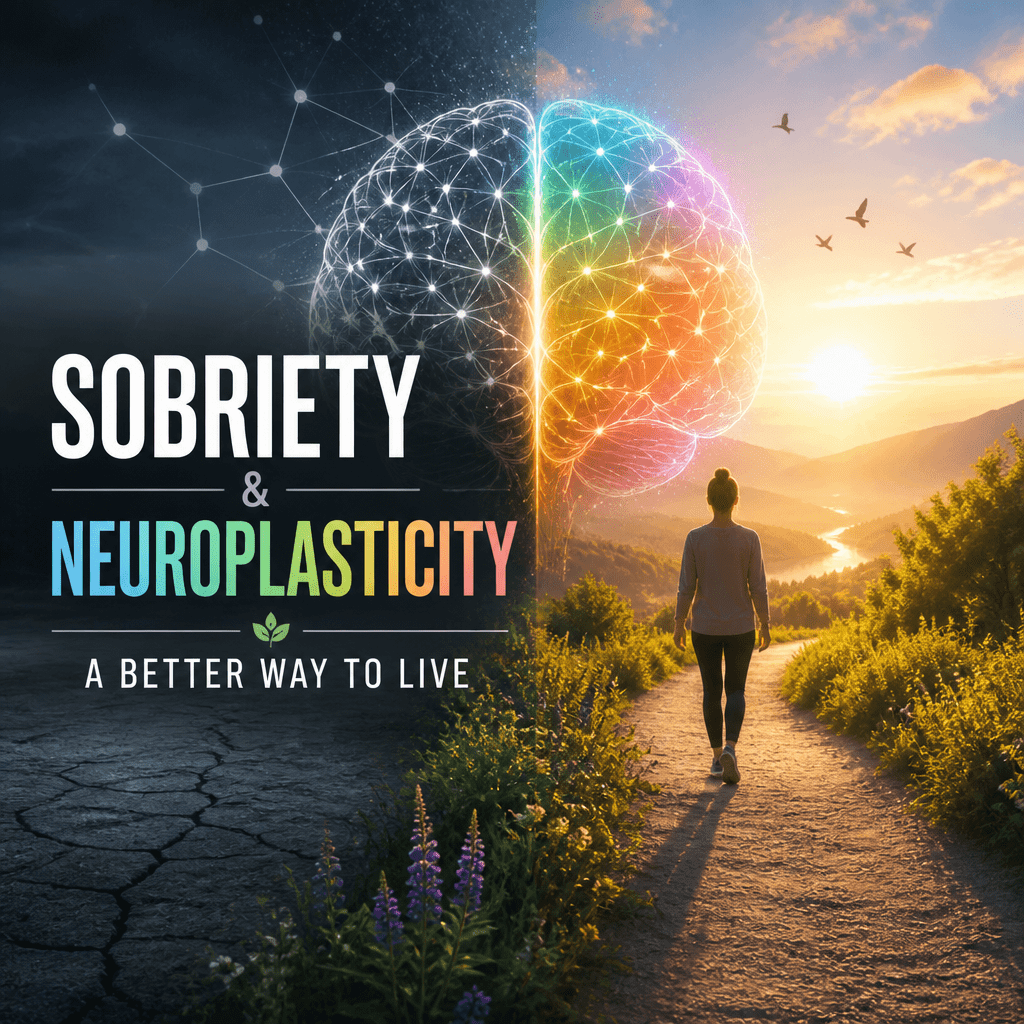
At first, sobriety can feel like giving something up.
That feeling is common. It is also temporary.
As the days turn into weeks and weeks into months, many people begin to notice something important. The benefits are not abstract anymore. They are real, daily, and hard to ignore. Life starts to feel steadier. Thinking gets sharper. Emotions become more honest. Freedom feels more reachable.
This is where the meaning of sobriety begins to change.
What once looked like a loss can start to look like a better way to live.
Table of Contents
- Why Sobriety Feels Hard at First
- The Brain Can Change: The Role of Neuroplasticity
- What Changes When Sobriety Becomes a Daily Practice
- From Sacrifice to Clarity
- Why Sobriety Can Feel More Free Over Time
- The Steady Payoff of Repetition
- The Emotional Shift That Changes Everything
- Building a Life That Supports the Change
- A Better Way to Live
- Final Thought
Why Sobriety Feels Hard at First
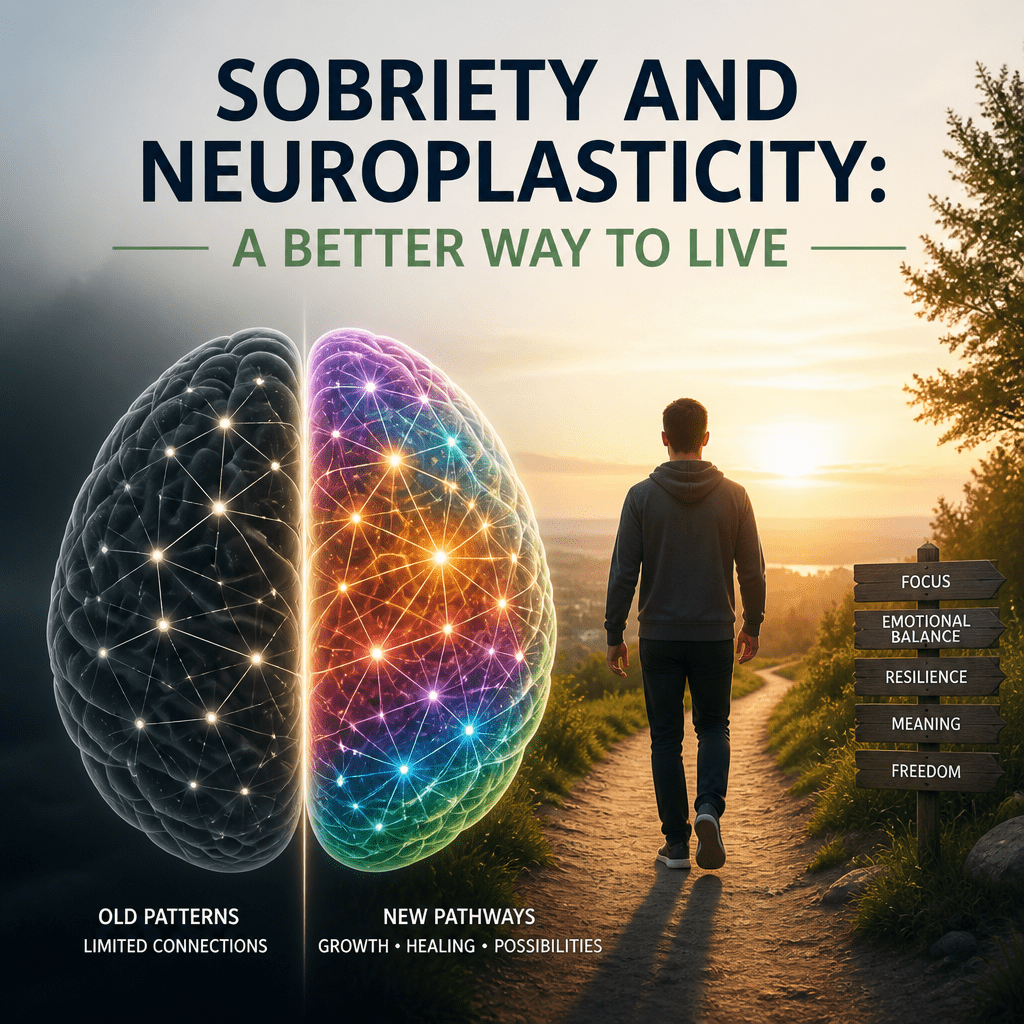
The early stage of sobriety often comes with discomfort. That is because habits are powerful. They are built into routines, emotions, social settings, and even identity.
People may feel they are losing:
- Relief from stress
- A social ritual
- A way to unwind
- A familiar part of their lifestyle
When something has been used to manage pain, boredom, anxiety, or loneliness, letting it go can feel like a sacrifice.
But this is only one part of the story.
Some of the challenge comes from the brain’s insistence on familiarity. A repeated behavior can feel safe simply because it is known, even if it is costly. That is one reason change can feel emotionally louder than it really is. The nervous system does not instantly trust a new pattern.
This is where patience matters. The first stage of sobriety is not a final verdict on how life will feel later. It is only the beginning of retraining attention, emotion, and behavior.
At this stage, it helps to expect unevenness. Some days feel lighter, while others feel strangely difficult for reasons that are hard to name. That inconsistency does not mean the change is failing. It usually means the mind is still adjusting to a new default.
For many people, the old pattern was tied to specific cues: a certain time of day, a social setting, a particular mood, or even a thought that arrived before they could question it. Part of the work is simply seeing those cues clearly enough to respond differently. Once a pattern is visible, it becomes less mysterious, and less mysterious often means less controlling.
It can also help to remember that discomfort is not the same as danger. A nervous system that has grown used to repetition may interpret absence as threat, even when the absence is beneficial. That is why early sobriety can feel emotionally louder than the actual risk involved. The body is reacting to change, not necessarily to harm.
Small routines often carry the most weight here. Regular meals, enough sleep, movement, quiet time, and honest conversation can all make the early period more livable. None of those things solve everything, but they reduce the background strain that makes old habits feel more appealing than they are.
If you want a broader reflection on how choices and habits shape our lives, see Better Questions: Stunning Best Decision Guide.
The Brain Can Change: The Role of Neuroplasticity
Neuroplasticity is the brain’s ability to adapt and reorganize itself. It is one of the most important reasons change is possible.
When a person practices sobriety over time, the brain begins to form new patterns. Old pathways weaken. New ones grow stronger. This is not just about willpower. It is about the brain learning a different normal.
Neuroplasticity helps explain why the same choice can feel very different after enough repetition.
At first, sobriety may feel forced.
Later, it can feel natural.
That shift is not imaginary. It reflects the way repeated experience shapes the brain’s expectations. In other words, the mind starts to treat calm, clarity, and self-control as familiar states instead of rare exceptions.
For a deeper look at how the brain changes through repeated practice, the National Institute on Drug Abuse offers a helpful overview of the brain’s response to substance use and recovery: the brain, behavior, and addiction science.
That perspective matters because it keeps the process realistic. Change is not instant, but it is biologically possible. The brain is constantly learning from what happens most often.
Neuroplasticity also helps explain why recovery is rarely linear. A difficult week does not erase the progress of a good month. The brain does not reset to zero every time life gets stressful. Instead, it continues collecting evidence. Each sober choice, each honest response, and each moment of restraint becomes part of a larger pattern.
This is especially encouraging for people who feel discouraged by how long change takes. A slow process is not a weak process. In many cases, slow change is more durable because it has been tested in more situations. What survives stress becomes more trustworthy.
The practical lesson is simple: repetition matters more than intensity. One inspiring moment can help, but the repeated ordinary choices are what shape the next version of daily life. That is why sobriety becomes easier to imagine when it is treated less like a heroic event and more like a learned practice.
In the same way a musician trains the hands through repetition, a sober life is shaped through repeated experience. The brain learns what to expect. The body learns what to tolerate. The mind learns what kind of day is now normal.
What Changes When Sobriety Becomes a Daily Practice
The more a person experiences sobriety in daily life, the more its benefits become visible. Instead of focusing on what is missing, they begin to notice what is present.
That often includes:
- Clearer thinking
- Better sleep
- More stable moods
- Less regret
- Stronger self-trust
- Deeper relationships
- More energy for meaningful goals
These changes matter because they are lived, not just imagined.
Sobriety stops being a theory. It becomes evidence.
Daily practice also reveals smaller but important improvements. Mornings may feel less chaotic. Conversations may feel less guarded. Work may become more consistent. Even ordinary tasks can feel more manageable when the mind is not spending so much effort on recovery, concealment, or internal negotiation.
That does not mean every day becomes easy. It means the baseline begins to improve. And a better baseline changes everything that follows.
Over time, this shift can create a new sense of identity. A person stops seeing themselves mainly as someone resisting an urge and begins to see themselves as someone building a life. That difference is subtle, but it matters.
Daily sobriety can also sharpen attention. Many people notice that reading becomes easier, conversations feel more present, and time seems less fragmented. When the mind is not divided by constant bargaining, there is more room for actual engagement. That can change work performance, family life, and even the experience of rest.
Another change is emotional honesty. Without the blur that often comes from numbing, feelings are harder to ignore. That can be uncomfortable at first, but it also makes growth possible. A person can only respond clearly to what they can see clearly. Sobriety makes that clarity more available.
There is also a practical relationship between sobriety and consistency. It becomes easier to keep promises, arrive on time, finish tasks, and handle responsibilities without the hidden cost of recovery from the night before. Those ordinary acts of follow-through matter because they rebuild confidence. Confidence is not just a feeling; it is often the result of repeated reliability.
When daily practice continues, the benefits stack up in ways that are easy to miss in the moment. The changes are cumulative. One good decision may seem small, but dozens of them begin to reshape the shape of a life.
From Sacrifice to Clarity
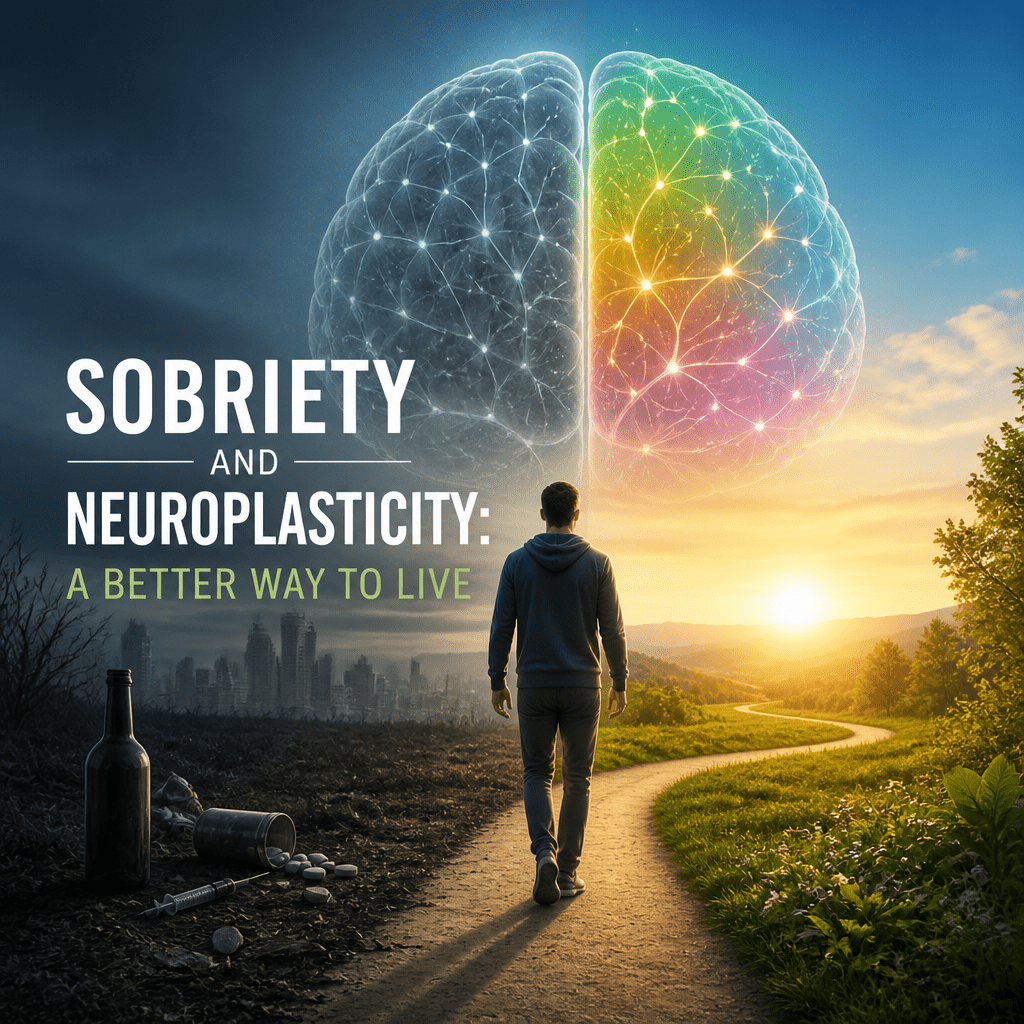
One of the biggest shifts in sobriety is mental.
At first, a person may ask, “What am I giving up?”
Later, they may ask, “Why did I wait so long?”
That shift happens because clarity has a way of changing perspective. When the mind is less clouded, life becomes easier to read. Decisions feel cleaner. Boundaries feel more possible. Problems are still there, but they are less blurred.
Sobriety can bring a kind of honesty that is difficult to reach when the brain is stuck in cycles of avoidance.
It becomes easier to see:
- What is healthy
- What is draining
- What needs attention
- What is worth protecting
That kind of honesty is not a punishment. It is a form of freedom.
This is also where self-knowledge becomes practical. A person begins to recognize what triggers old patterns and what supports better ones. The focus shifts from denial to awareness, and awareness makes deliberate living possible.
For more on that connection, Self-Awareness: Stunning Guide to Integrity and Trust explores how clear self-perception supports consistency and trustworthiness.
Clarity also changes the way a person relates to regret. Instead of drowning in it, they can read it. Regret begins to function as information rather than only as pain. It can reveal what matters, what has been damaged, and what deserves repair. That is a very different role. It moves regret from a prison into a guide.
There is a kind of dignity in this. A sober person may not feel heroic every day, but they often become more honest with themselves about what is real. That honesty can be difficult, yet it is also the foundation of repair. It is difficult to repair what one refuses to see.
This clarity often extends beyond personal conduct. It affects how a person interprets relationships, work, and future plans. The life that once seemed acceptable only because it was familiar can start to look smaller than it really is. A clearer mind tends to ask better questions about direction, not just comfort.
Why Sobriety Can Feel More Free Over Time
Freedom is often misunderstood. People sometimes think freedom means unlimited choice or constant pleasure.
In reality, freedom often comes from less inner conflict.
Sobriety can create that kind of freedom.
When a person is no longer chasing relief, hiding from consequences, or recovering from repeated regret, they gain more room to live intentionally. They can show up more fully at work, in relationships, and in personal goals.
This is why sobriety can begin to feel less like restriction and more like release.
It may bring:
- More control over time
- Less emotional chaos
- Greater confidence in decisions
- A stronger sense of identity
- Less dependence on escape
The result is not a smaller life. It is often a larger one.
That larger life is not just about avoiding harm. It is about regaining capacity. When energy is no longer constantly drained by coping cycles, it can be redirected toward relationships, work, rest, creativity, and purpose.
In that sense, sobriety does not remove freedom. It often restores it.
There is also a quieter form of freedom that matters here: the freedom to be unhidden. Many people underestimate how exhausting it is to manage appearances, explain away behavior, or keep track of what needs to be concealed. Sobriety can remove some of that burden. Even when life is still complicated, it is often less divided.
That simplicity is not boring; it is stabilizing. A less divided life often has more room for real joy because it no longer depends so much on performance or escape. It is easier to enjoy ordinary things when ordinary things are not constantly being interrupted by damage control.
Freedom in sobriety also includes the ability to choose based on values instead of cravings. That may sound modest, but it is a profound change. When a person can act from conviction instead of impulse, they are living with more agency. Agency is one of the most reliable signs that a life is becoming more open, not more limited.
The Steady Payoff of Repetition
Neuroplasticity rewards repetition.
Every sober day reinforces a new pattern. Every healthy choice strengthens the brain’s ability to return to that choice again. Over time, the effort required to stay sober often decreases. Not because the challenge disappears, but because the brain adapts.
This is why daily experience matters so much.
A person does not need to feel transformed all at once. They just need enough consistent experience to let the new pattern become familiar.
That familiar feeling is powerful.
Familiarity builds confidence. Confidence builds momentum. Momentum makes sobriety feel less like an emergency response and more like a way of life.
There is also a practical lesson here: repetition does not have to be dramatic to be effective. Small routines matter. Predictable mornings matter. Repeated honesty matters. The brain learns from what is repeated, not only from what is intense.
That means the quiet parts of recovery are not secondary. They are foundational. The same ordinary choices, made again and again, gradually reshape the experience of living.
Repetition also changes the emotional meaning of effort. What once felt exhausting may begin to feel ordinary. What once required constant deliberation may begin to happen almost automatically. That is not because discipline vanished; it is because discipline has been practiced enough to become more accessible.
People often underestimate how much relief comes from fewer decisions. A steady routine reduces friction. A stable environment reduces temptation. A predictable rhythm reduces mental noise. Each of these supports the same basic result: the sober choice becomes easier to sustain because it is no longer made in isolation.
And when the choice is repeated across many ordinary settings, the mind stops treating it as exceptional. It becomes part of identity. That is one of the most encouraging signs of real change. The person is not merely complying with a rule. They are becoming someone for whom the healthier pattern feels increasingly like home.
For readers interested in how habits can change the mind in broader ways, Neuroplasticity: Secular Practices for Best Brain Change connects the science of brain change with practical, everyday repetition.
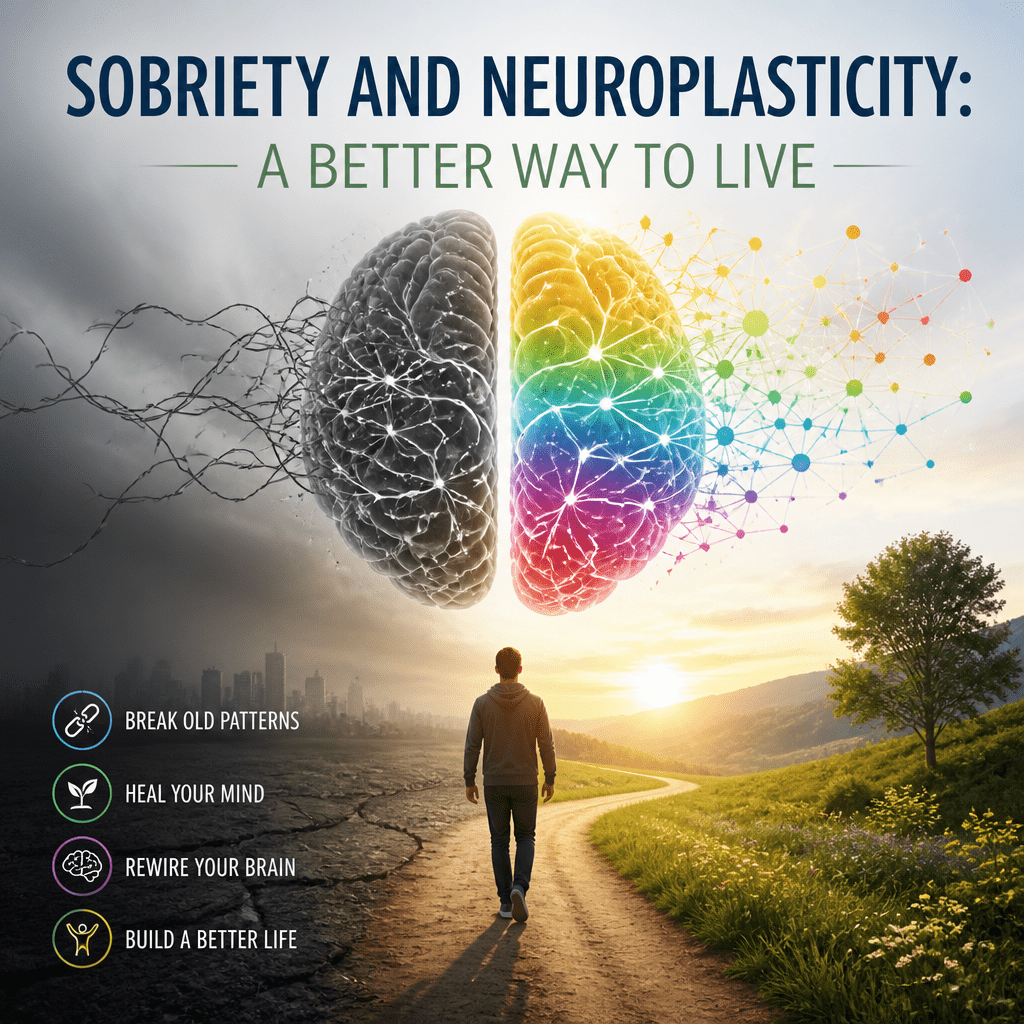
The Emotional Shift That Changes Everything
The emotional shift is often subtle.
A person may notice they are:
- Less reactive
- Less ashamed
- Less defensive
- More present
- More willing to tell the truth
These may seem like small changes, but they are not small at all.
They signal that the person is becoming more aligned with themselves.
And when that happens, sobriety is no longer only about removing something harmful. It becomes about creating space for something better.
That is why many people stop describing sobriety as a sacrifice.
They begin to describe it as relief.
Relief is not a weak outcome. It is often the beginning of stability. Once a person is no longer fighting the same internal battle every day, they can begin to notice what kind of life they actually want to build.
That is where deeper growth can emerge. Stability makes reflection possible, and reflection makes change more durable.
Emotional change also improves relationships in ways that are not always immediately obvious. A calmer response can lower tension before it spreads. A more honest reaction can prevent misunderstandings from hardening into resentment. A more stable mood can make it easier to listen without preparing a defense in advance. These are small interactions, but over time they transform trust.
People close to someone in recovery often notice the difference before the person does. The tone changes. The pace changes. The atmosphere changes. That outside confirmation can matter because it shows the change is not just internal. It is observable. It is affecting the space around the person as well as the person themselves.
There is still a need for care here. Emotional honesty is not the same as emotional flooding. Sobriety can make feelings more available, but it also teaches discernment. The goal is not to feel everything at once. The goal is to respond more truthfully and less automatically.
Building a Life That Supports the Change
Long-term sobriety is not only about what is avoided. It is also about what is built.
When the brain is changing, the environment matters. A person is more likely to keep growing if daily life supports the new direction. That can include predictable routines, supportive friendships, meaningful work, exercise, counseling, rest, and time for reflection.
These supports are not luxuries. They are part of the structure that helps the new pattern hold.
Without support, even strong intentions can get worn down by stress. With support, small gains become more durable.
A life that supports sobriety usually makes room for a few essential things:
- Honest self-assessment
- Healthy boundaries
- Restorative habits
- Purposeful relationships
- Meaningful responsibilities
That kind of structure is not restrictive in the negative sense. It is stabilizing. It helps reduce the need for constant self-rescue.
It also helps a person stay connected to the real reasons they chose change in the first place. Those reasons can fade when the day gets crowded. Regular reflection brings them back into focus.
This is where journaling, conversation, prayer, meditation, exercise, or quiet thinking can be especially useful. The exact practice matters less than the habit of returning to clarity. A sober life strengthens when it is periodically examined.
For many people, that examination reveals something surprising: the life they once feared would feel smaller is actually more spacious. There is more room for attention, more room for love, more room for patience, and more room for peace. That spaciousness becomes one of the clearest signs that the change is working.
It is also useful to stay alert to the difference between isolation and solitude. Sobriety sometimes requires distance from unhealthy settings, but it should not become a reason to disconnect from everyone. Healthy support, honest companionship, and shared purpose matter. People are often stronger in change when they are not pretending they can carry everything alone.
A Better Way to Live
Sobriety is not just about abstaining. It is about building a life that supports clarity, stability, and self-respect.
That life may include:
- Better routines
- Healthier relationships
- More meaningful work
- A calmer nervous system
- Greater emotional honesty
These are not minor benefits. They affect everything.
This is where neuroplasticity and sobriety meet. The brain changes because the behavior changes. The behavior stays because the results feel worth keeping.
The process is gradual, but the direction is clear.
For readers interested in how habits can change the mind in broader ways, Neuroplasticity: Secular Practices for Best Brain Change connects the science of brain change with practical, everyday repetition.
And because sobriety can also reshape a person’s sense of purpose, it connects naturally with the bigger questions people ask about how to live well. That is why this topic belongs alongside reflection, discipline, and long-term character growth rather than simple denial.
In a deeper sense, sobriety can become a test of what a person believes about life. If the goal is only comfort, then every sacrifice will feel too expensive. But if the goal is honesty, peace, and a life that can actually be lived with, then sobriety begins to make more sense. It becomes less about subtraction and more about alignment.
That alignment may not look dramatic from the outside. It often appears as ordinary steadiness. But ordinary steadiness is not trivial. It is the ground on which larger things are built. A calmer mind can plan better. A more reliable routine can support better health. A more honest heart can sustain better relationships. Over time, these small gains create a much larger change in the shape of a life.
Final Thought
The more a person experiences sobriety in daily life, the less likely they are to see it as a sacrifice.
At first, it may feel like loss. But with time, experience, and the brain’s natural power of neuroplasticity, sobriety can become something else entirely.
It can become steadier.
It can become sharper.
It can become more honest.
And most of all, it can become more free.
That is the quiet truth many people discover: sobriety is not what is taken away. It is often what finally makes a full life possible.
When that realization settles in, the word sacrifice begins to lose its power. In its place comes something more durable: a sense that the sober path is not merely a harder road, but a clearer one. A person may still miss parts of the old life, and that honesty matters. Yet many people also find they no longer want to return to confusion simply because it was familiar.
The brain remembers what is repeated, and the heart learns from what is lived. Over time, both begin to favor the steadier way. That is why sobriety can change from a difficult decision into a deeply credible way to live.